

Utility risk
Offtaker risk is one of the heaviest contributors to renewable energy investment risk (and therefore cost of capital) in Africa, weighting at over 30%. Many utility companies in Africa are considered high risk. For decades, state utility companies have been the default offtaker, making investment in renewable power risky. Emerging models have ‘created’ a different offtaker — private businesses — changing the math.
Notable occurrence
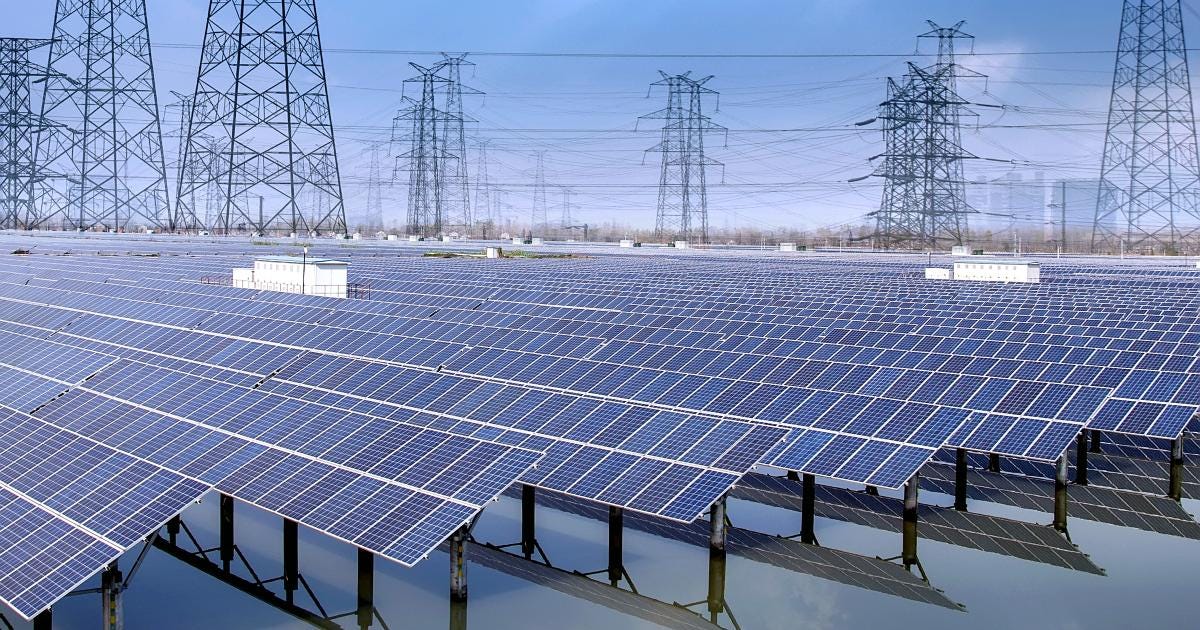
In February 2026, IPP SolarAfrica reached a $94 million financial close to build SunCentral 2, a 114 MW solar farm project in the Northern Cape. This followed the late 2024 financial close of SunCentral 1. This is part of the over 3GW solar power that SolarAfrica will wheel to private buyers — mining companies, data centres, and manufacturing companies.
What’s changed
Under the traditional B2G model, this project would have been unbankable due to the utility company’s (Eskom’s) negative solvency — or it would have attracted very high interest rates making SunCentral power expensive. SunCentral’s B2B model has shifted credit risk to a different offtaker — private buyers — and therefore creditworthiness is based on the private buyers’ financials, significantly reducing interest rates and making the project overall more bankable.
In this B2B model, the financial structure has changed. Because the risk is lower (due to diversified private offtakers), the Cost of Capital has stabilized. Investors are accepting slightly lower yields in exchange for “utility-like” stability without the “utility-like” default risk.
Standard Tariffs: B2B wheeling now offers electricity at rates up to 50% cheaper than standard utility (Eskom) tariffs.
Infrastructure Investment: A significant portion of the SunCentral funding is being used to build private transmission substations (MTS), allowing the private sector to physically take over the job of grid expansion where the state has stalled.
Emerging trend
Other African countries are adopting the B2B model — out of necessity — at different maturity levels. While South Africa is the largest market due to the sheer scale of its industrial energy deficit, several other African nations have hit a “regulatory tipping point” in 2025 and early 2026. These countries are moving away from the Single Buyer Model (where everyone must sell to the state utility) toward an Open Access or Modified Single Buyer (MSB) framework.
Investor implication
The B2B wheeling model essentially swaps the shaky credit of state utilities for the balance sheets of blue-chip firms. These firms can’t afford abandoning their power deals, which turns a "high-risk" African energy play into a stable, infrastructure-grade investment. Investors no longer bet on a utility’s ability to pay; but on the fact that the buyer needs power to run their business. With secondary markets already heating up and the cost of capital dropping as a result, the "utility risk" that used to kill these deals is finally being priced out of the equation.
These models are expected to spread all over Africa, and larger deals are expected to be made in already practising countries, which creates a multi-billion dollar opportunity for investors in Africa in the next decade.