

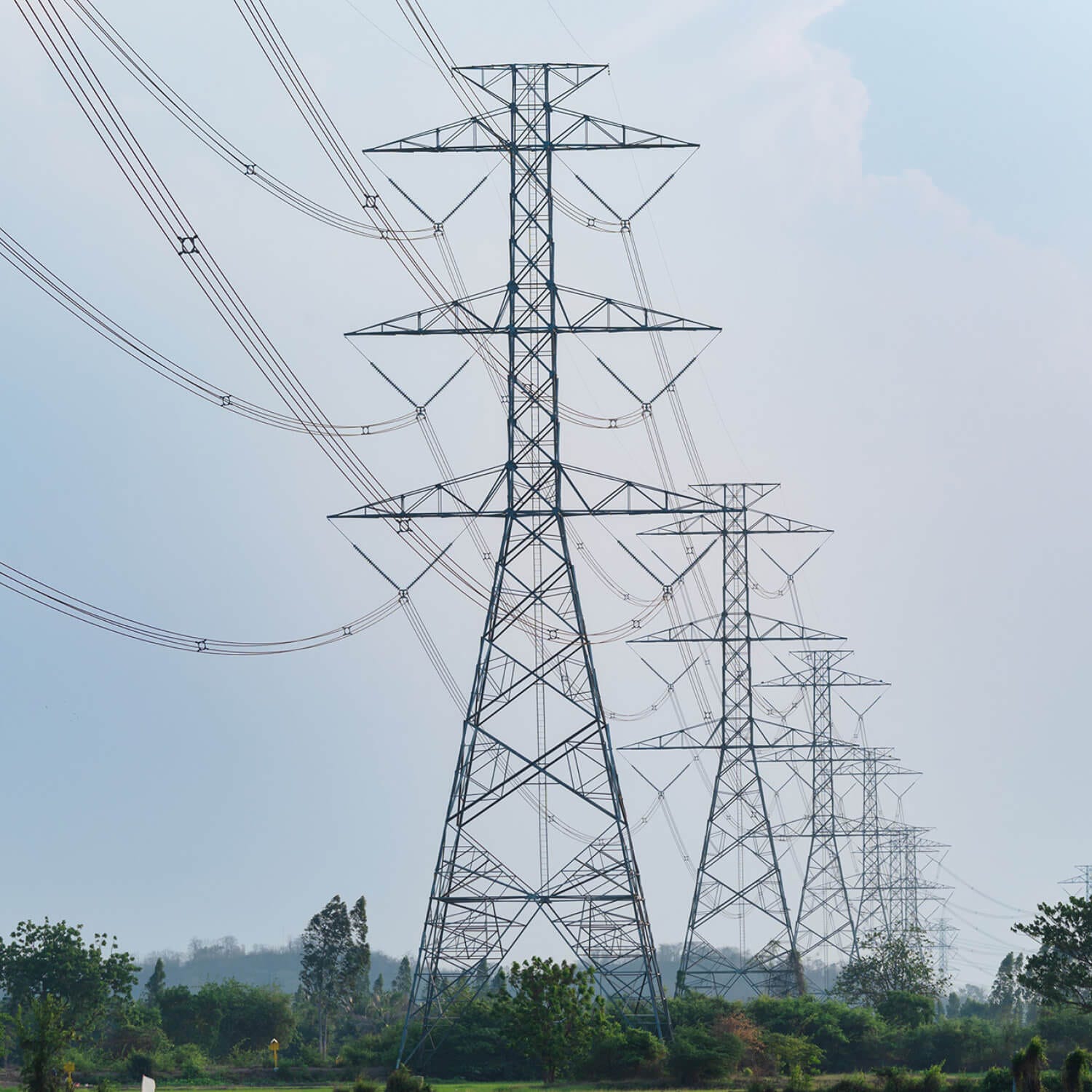
Risk context: Transmission, risky
Two key risks have disincentivized investment in transmission in Africa for decades: The grid is largely state owned, and sovereign debt levels are high. Yet, at the same time, grid reform is too expensive for governments without external funding. This tension has stalled or slowed grid reform in many African countries for decades, leading to stranded renewable energy generation.
What’s changed: Transmission moves from risky state project to investment opportunity
A recent $311 million PPP deal between KETRACO, Africa50, and PowerGrid of India enables the State to hive the transmission project off its balance sheet, maintaining its sovereign debt level, while mitigating the investors’ exposure to sovereign debt limits. Similar models are emerging in South Africa and Nigeria, and expected to be replicated across Africa.
How it works
The deal runs on a 30-year build-own-operate-transfer (BOOT) concession which enables the developer to own and operate the transmission line being financed, and the state simply pays for its use.
The Special Purpose Vehicle (SPV): Africa50 and PowerGrid of India (the technical partner) lead the development through an independent entity
Privately financed: They raise the capital, meaning the asset cost does not sit on Kenya’s national books as debt
Risk allocation: The private sector takes on the construction and operational risk, while Kenya pays for the service of transmitted power over time, rather than the asset upfront
Status: Capital mobilization
The main agreement was signed in December, 2025. The parties are now securing $34 billion from commercial banks. Groundbreaking expected in August, 2026.
Investor relevance: Sovereign debt risk mitigation, billion-dollar pipelines, emerging asset class across Africa
The success of this model will unlock a much larger $5 billion pipeline KETRACO needs over the next 20 years to build 8,000km of new lines. By proving the $311M ‘pilot’ is bankable, Kenya is essentially creating a standardized asset class, and a template across Africa, that large funds can eventually buy into – similar models are emerging in South Africa and Nigeria, and expected to be replicated across Africa.